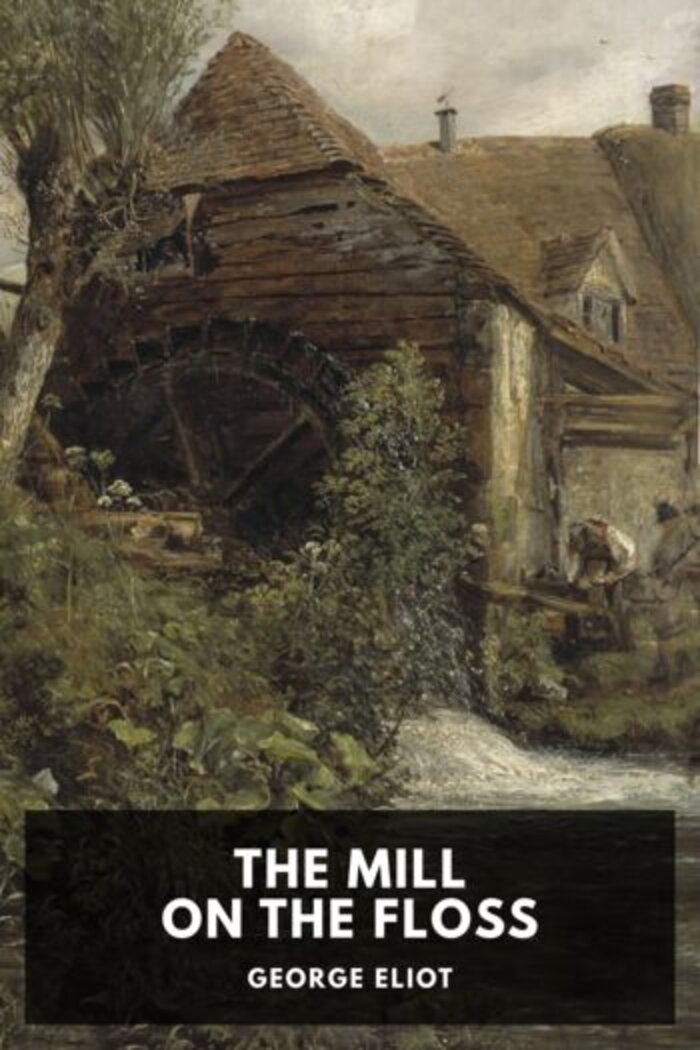
The Mill on the Floss
Maggie Tulliver is too clever, too passionate, and too unconventional for the narrow world of St. Ogg’s. Her brother Tom, by contrast, is everything their father wants – steady, practical, and determined to restore the family’s fortunes. The deep bond between them is also the source of their greatest conflict.
Published in 1860, George Eliot’s semi-autobiographical novel follows the Tulliver family from Maggie’s restless childhood at Dorlcote Mill through the financial ruin brought on by their father’s disastrous lawsuit against the cunning lawyer Wakem. As Maggie grows into a young woman, she is pulled between duty to her family, her hunger for intellectual and emotional fulfillment, and a love that threatens to destroy her reputation in a community that has little tolerance for a woman who defies convention. Eliot’s portrayal of the provincial English Midlands is rich with psychological insight, dark humor, and an unflinching eye for the petty cruelties of respectability.
One of the great Victorian novels about the cost of being extraordinary in an ordinary world, The Mill on the Floss remains a profoundly moving study of family, sacrifice, and the limits of forgiveness.