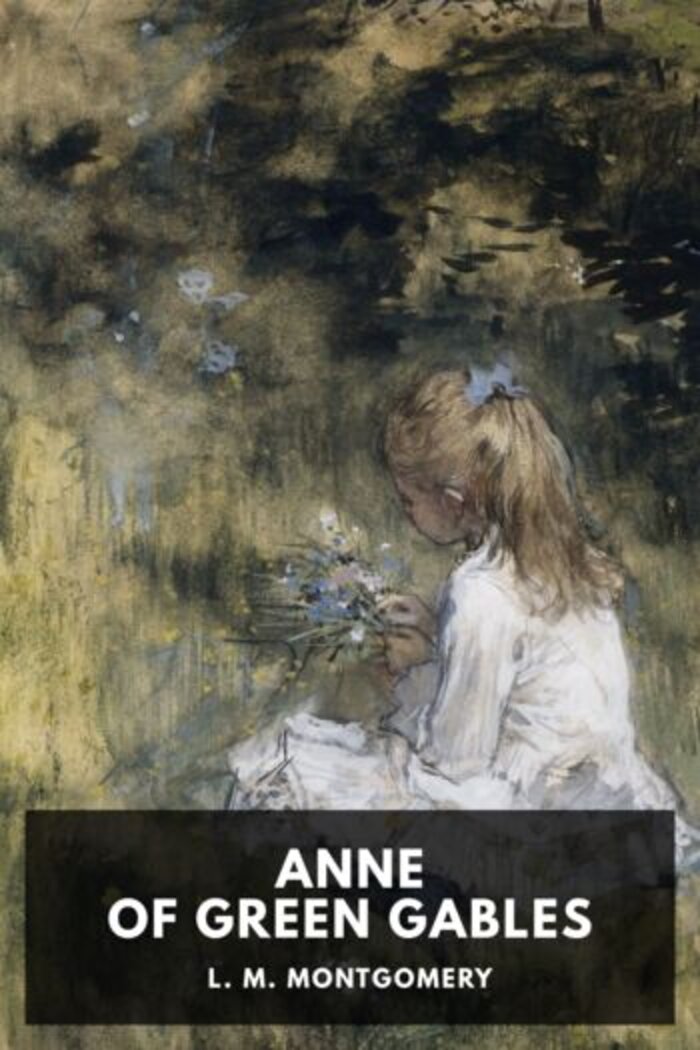
Anne of Green Gables
When elderly siblings Matthew and Marilla Cuthbert send to an orphanage for a boy to help on their Prince Edward Island farm, they get eleven-year-old Anne Shirley instead — a red-haired, irrepressibly talkative girl with a vivid imagination and a talent for getting into scrapes. Though Marilla initially wants to send her back, Anne’s warmth and spirit gradually win over the entire community of Avonlea.
Published in 1908, Anne of Green Gables was an immediate bestseller that made L. M. Montgomery famous worldwide. Mark Twain called Anne “the dearest child of fiction since the immortal Alice.” The novel drew on Montgomery’s own childhood on Prince Edward Island, and her affectionate portrait of rural Maritime life — the red roads, the cherry blossoms, the Lake of Shining Waters — has drawn visitors to the island ever since.
Anne’s appeal lies in her unquenchable spirit. She renames every pond and lane with romantic names, dyes her hair green by accident, and cracks a slate over a boy’s head for calling her “Carrots.” Yet beneath the comedy is a genuinely moving story about an unwanted child finding a home, and about the transformative power of imagination and love.