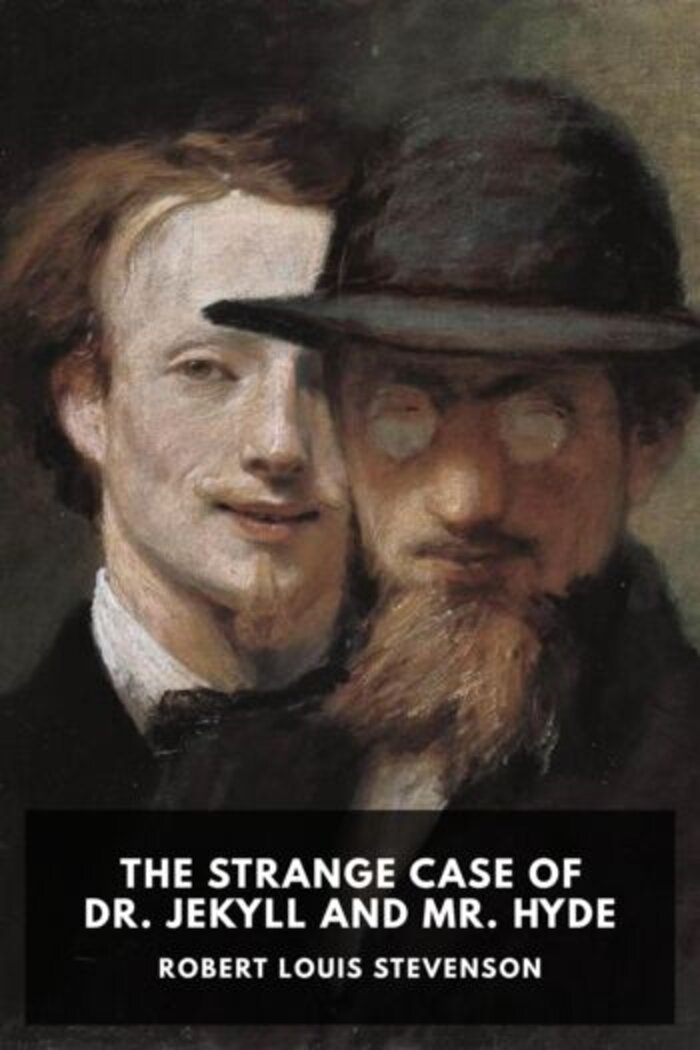
The Strange Case of Dr. Jekyll and Mr. Hyde
The Strange Case of Dr. Jekyll and Mr. Hyde is a novella by Robert Louis Stevenson, first published in January 1886. It is a tale of duality and self-destruction that has become so deeply embedded in Western culture that its central revelation hardly qualifies as a spoiler.
The story is told largely through the eyes of Gabriel John Utterson, a London lawyer disturbed by the connection between his old friend, the respected Dr. Henry Jekyll, and the brutish, violent Edward Hyde. As Utterson investigates, he discovers a will leaving Jekyll’s estate to Hyde, witnesses a senseless murder, and watches helplessly as Jekyll withdraws from society. The truth — revealed in Jekyll’s own confession — is that Hyde is not a separate person but the dark half of Jekyll himself, unleashed by a chemical compound that allowed the doctor to shed his conscience and indulge his basest impulses.
A masterpiece of Gothic horror, the novella gave the English language an enduring metaphor for the divided self, and its exploration of the darkness lurking beneath Victorian respectability remains as unsettling today as when it first shocked readers nearly a century and a half ago.