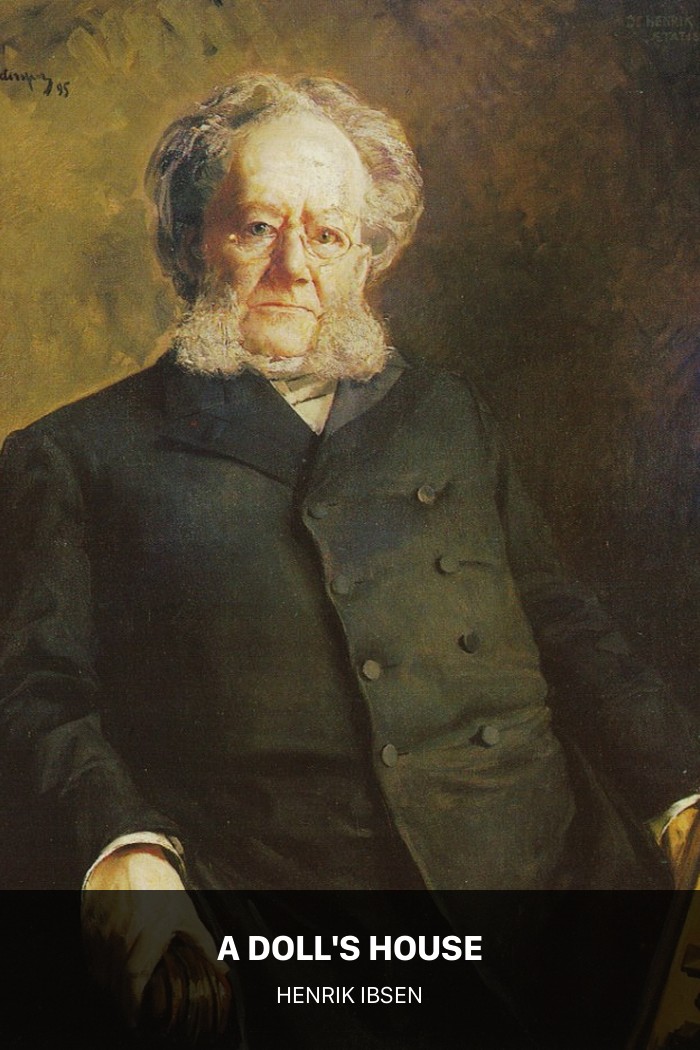
A Doll's House
A Doll’s House is a three-act play by Norwegian playwright Henrik Ibsen, first performed in 1879. It tells the story of Nora Helmer, a seemingly happy wife and mother who discovers that her entire marriage has been built on deception and inequality.
When a secret from Nora’s past threatens to surface, the comfortable facade of her domestic life begins to crack. Her husband Torvald treats her as a charming plaything rather than an equal partner, and as the crisis deepens, Nora is forced to confront the hollowness of the role she has been playing. The play’s final scene — in which Nora makes a decision that shocked nineteenth-century audiences — remains one of the most powerful moments in the history of theater.
A Doll’s House is widely regarded as the first true feminist play and a landmark of modern drama. Ibsen’s unflinching portrayal of a woman claiming her independence transformed the European stage and continues to resonate with audiences around the world.