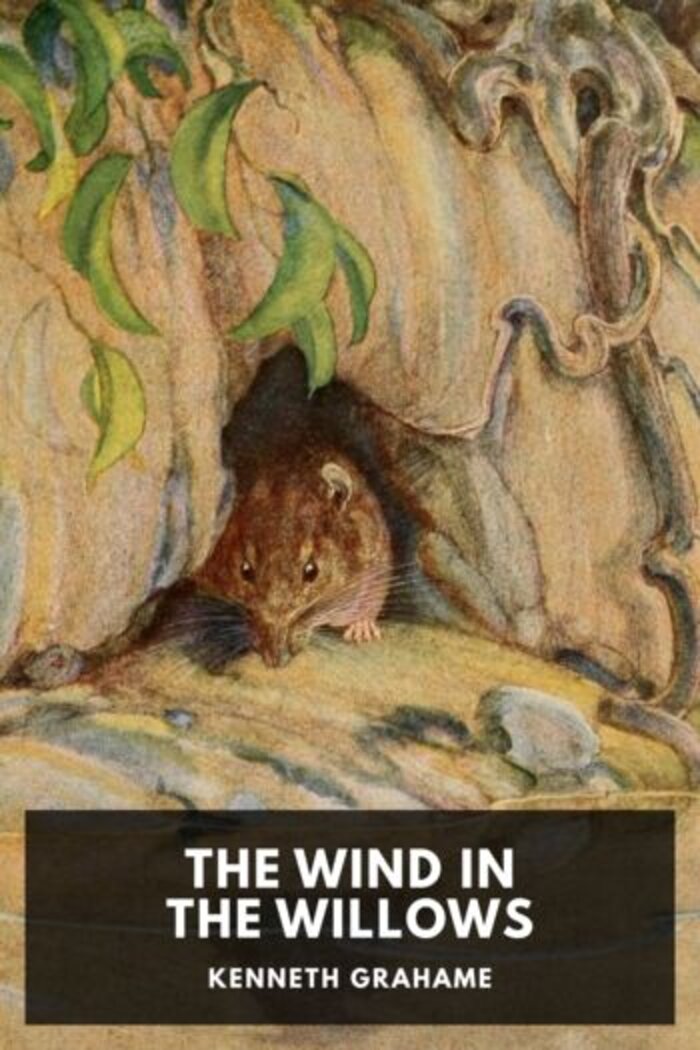
The Wind in the Willows
Mole abandons his spring cleaning on impulse, tunnels up into the sunlight, and discovers the riverbank — and with it, a world of adventure shared with the sensible Water Rat, the gruff but kindly Badger, and the irrepressible, motor-car-obsessed Mr. Toad. Together they picnic, boat, explore the Wild Wood, and ultimately rally to recapture Toad Hall from the weasels and stoats who have seized it in Toad’s absence.
Published in 1908, The Wind in the Willows grew out of bedtime stories Kenneth Grahame told his son Alastair. Initially rejected by publishers and received with puzzlement by critics, the book found its audience slowly and has never lost it. Its blend of cozy domesticity, gentle humor, and occasional passages of lyrical beauty — particularly the mystical chapter “The Piper at the Gates of Dawn” — gives it a depth unusual in children’s literature.
The novel works on two levels: as a charming animal adventure for young readers and as a quietly subversive portrait of Edwardian England for adults. Toad’s reckless enthusiasm for every new fad, Rat’s contented riverbank life, and Badger’s deep-rooted conservatism are recognizable English types rendered with affection and wit. It remains one of the most beloved books in the English language.