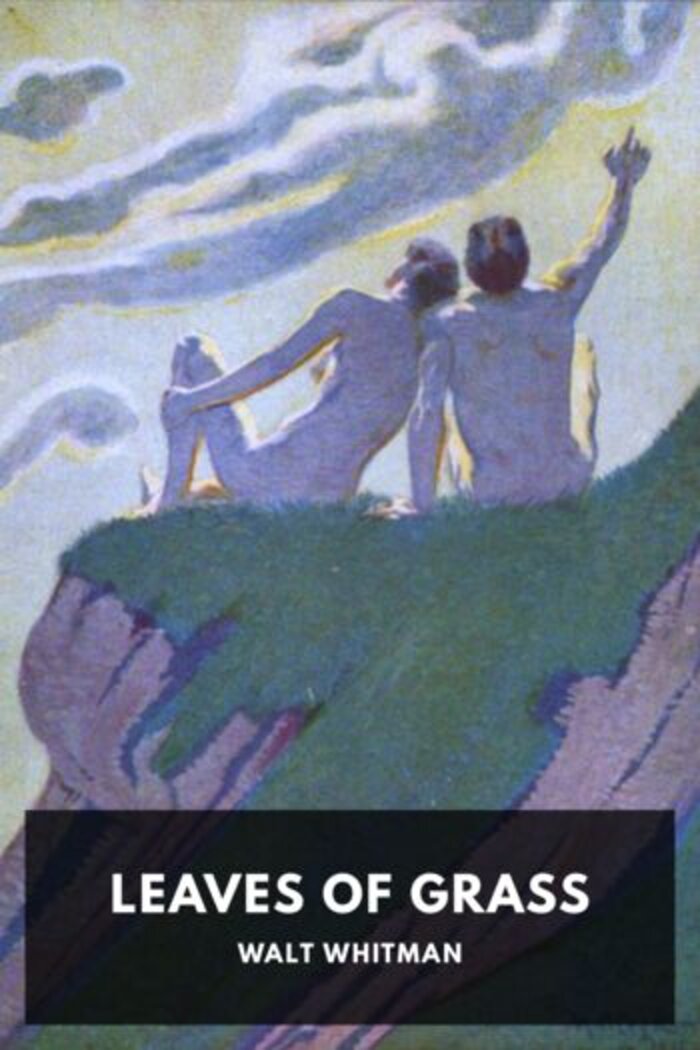
Leaves of Grass
Walt Whitman’s revolutionary poetry collection celebrates the human body, the American landscape, and the democratic spirit with unprecedented openness and sensuality.
The first edition, self-published in 1855, contained just twelve untitled poems — including what would become “Song of Myself,” a sprawling, ecstatic declaration of identity that runs through the full range of American experience. Whitman wrote in long, unrhymed lines that sounded like nothing before them, drawing on the rhythms of the King James Bible, opera, and everyday speech. He continued expanding and rearranging the collection through six major editions over nearly four decades, adding poems of grief during the Civil War, elegies for Abraham Lincoln, and meditations on aging and death. The book scandalized many of his contemporaries for its frankness about the body and desire, and cost Whitman a government job.
First published in 1855 and revised throughout his life, Leaves of Grass broke every convention of its time. Its influence on modern poetry is immeasurable.