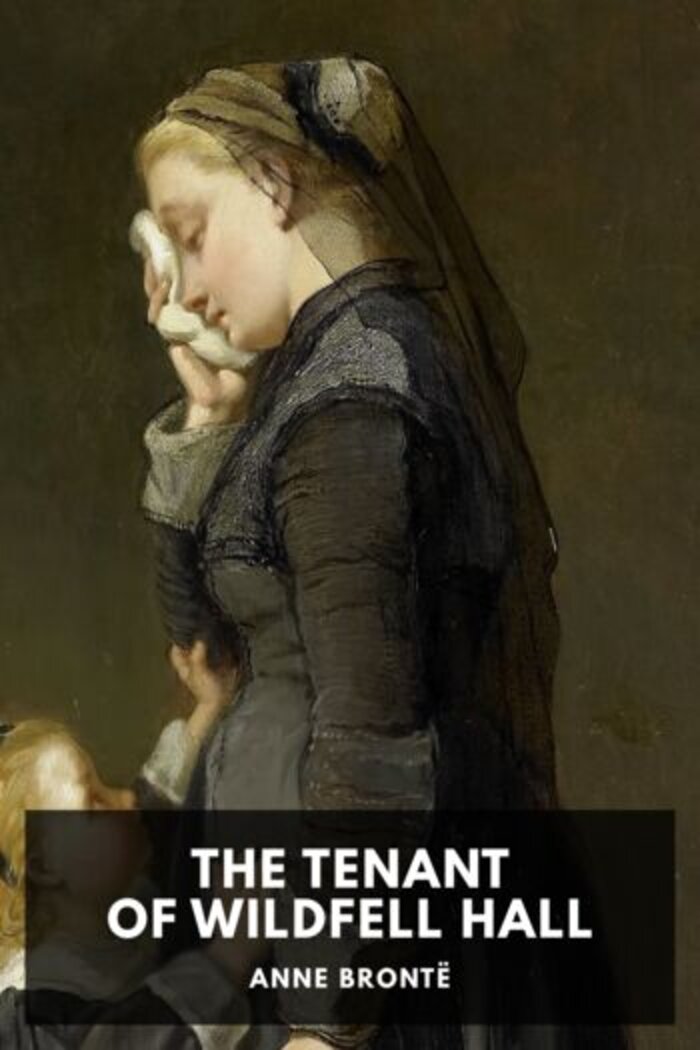
The Tenant of Wildfell Hall
The Tenant of Wildfell Hall is the second and final novel by Anne Brontë, published in June 1848. It tells the story of a woman who defies the laws and conventions of her time by leaving her dissolute husband and attempting to build a new life for herself and her young son.
The narrative unfolds through the letters of Gilbert Markham, a young farmer who becomes fascinated by the mysterious Helen Graham when she takes up residence at the crumbling Wildfell Hall. The village gossips relentlessly about her — a beautiful woman living alone, guarding her past, and refusing the attentions of suitors. When Helen finally entrusts Gilbert with her diary, the truth is revealed: a harrowing account of her marriage to the charming but increasingly debauched Arthur Huntingdon, whose drinking, cruelty, and infidelity drove her to the radical act of fleeing with her child. Brontë drew on her own painful observations of her brother Branwell’s decline into alcoholism to create a portrait of domestic misery that is unflinching in its honesty.
Bold and ahead of its time, The Tenant of Wildfell Hall was a sensation upon publication and is now considered one of the first sustained feminist novels in English, remarkable for its frank treatment of marital abuse, addiction, and a woman’s right to self-determination.