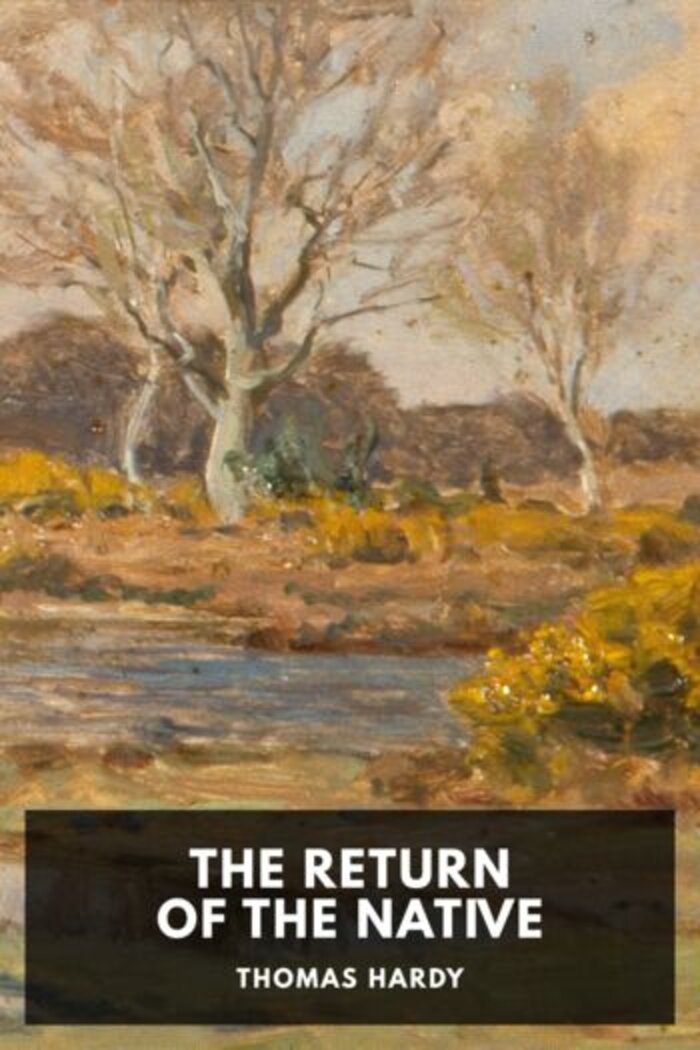
The Return of the Native
On the brooding expanse of Egdon Heath, the restless Eustacia Vye dreams of escaping to Paris and a life of glamour. She pins her hopes on Clym Yeobright, the “native” of the title, who has returned from a successful career in the diamond trade with idealistic plans to educate the rural poor. Their marriage, built on mutual misunderstanding — she expects him to take her away, he expects her to share his mission — unravels with tragic consequences that draw in everyone around them.
Published in 1878, The Return of the Native marks the point where Hardy’s fiction turned decisively toward tragedy. The novel opens with one of the most famous passages in Victorian literature, a description of Egdon Heath at dusk that establishes the landscape as a character in its own right — ancient, indifferent, and overwhelming. Against this backdrop, the human characters’ desires and schemes seem both heroic and futile.
Hardy structured the novel along the lines of classical tragedy, compressing the action into a year and a day and giving fate, coincidence, and the heath itself the role of the Greek chorus. The result is one of his most powerful works, a story about people trapped between ambition and circumstance in a landscape that will outlast them all.