
Every book on this list is completely free and legal to read. These are public domain works — their copyrights have expired, and they belong to everyone now. No subscriptions, no trials, no catches.
Most “best classics” lists dump 100 titles on you with no guidance. This one is different: 30 books, organized by what you’re in the mood for, with honest descriptions so you know what you’re getting into.
Never Read a Classic? Start Here
If you’ve bounced off classics before, it was probably the wrong book. These five are short, fast-paced, and don’t require a literature degree.
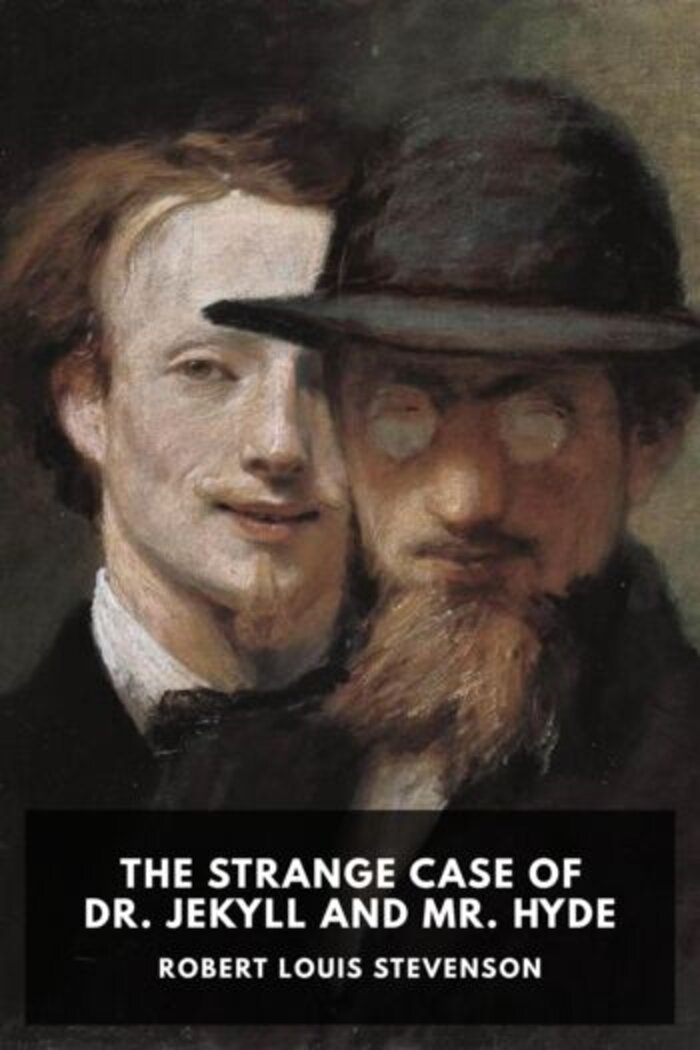
Under 100 pages. A London lawyer investigates his friend's relationship with a violent stranger. You already know the twist, but the way Stevenson builds to it is genuinely unsettling — foggy streets, locked doors, a will that makes no sense. It's really about the things respectable Victorian men hid behind closed doors. The best first classic for people who think classics are boring.
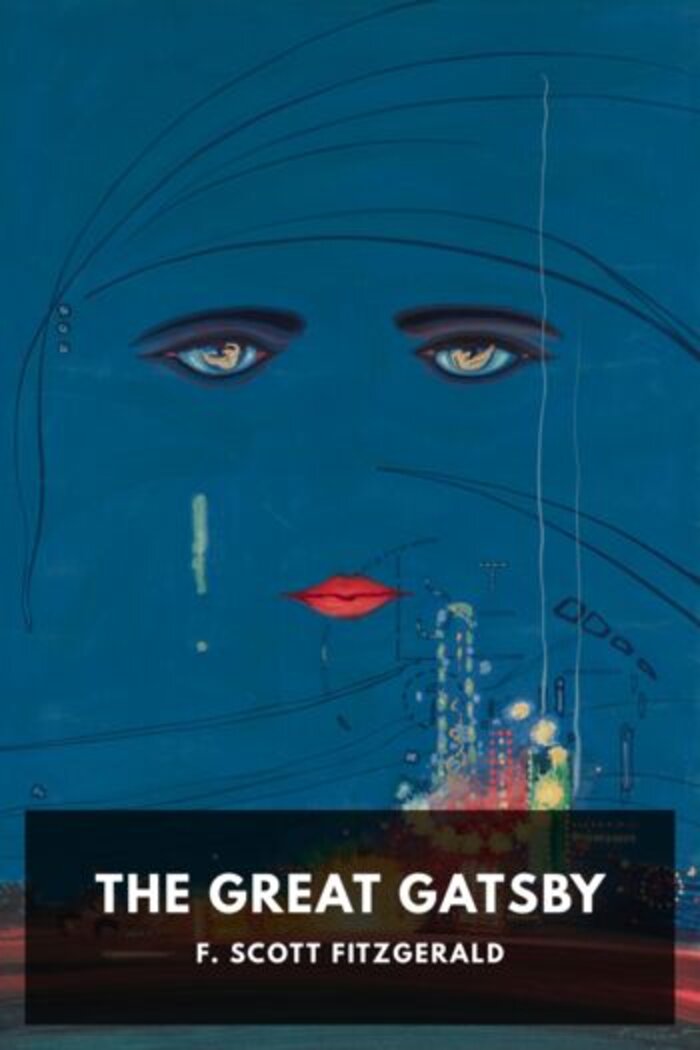
Also short. Nick Carraway moves to Long Island and gets pulled into his mysterious neighbor's obsessive world. Gatsby's parties are legendary, his past is a lie, and his obsession with a green light across the bay is one of fiction's great images. Beautiful sentences, terrible people, an ending that stays with you. Recently entered the public domain, so it's finally available as a free ebook.
After those two, try Alice’s Adventures in Wonderland if you want something genuinely strange — Carroll was a mathematician, and the wordplay hits differently as an adult. A Christmas Carol is only four chapters and funnier than you’d expect. And The Call of the Wild by Jack London — a dog stolen from a California ranch and sold into the Yukon sled teams — is brutal and beautiful and over before you know it.
Gothic & Horror
The books that invented the genre. Every horror trope you know started somewhere on this list.
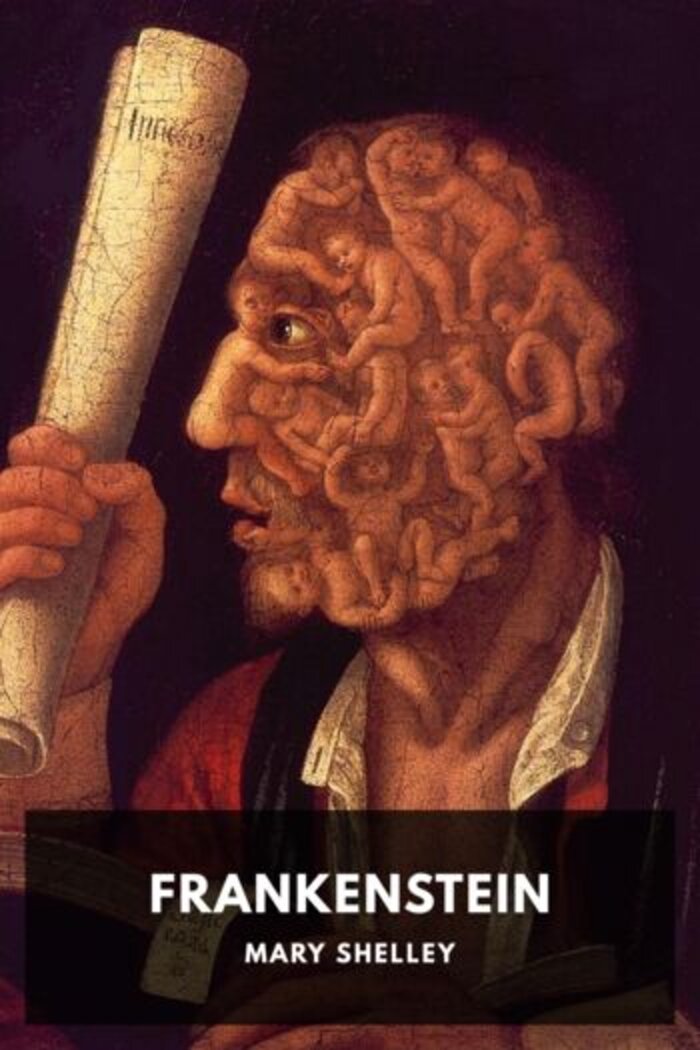
Written by an 18-year-old in 1818. Nothing like the movie — the creature is eloquent and philosophical, and the real monster is the scientist who abandoned him. It's as much about parental failure as it is about reanimation. The Arctic framing device, the creature's self-education through Paradise Lost, the confrontation on the glacier — Shelley packed more ideas into one novel than most authors manage in a career.
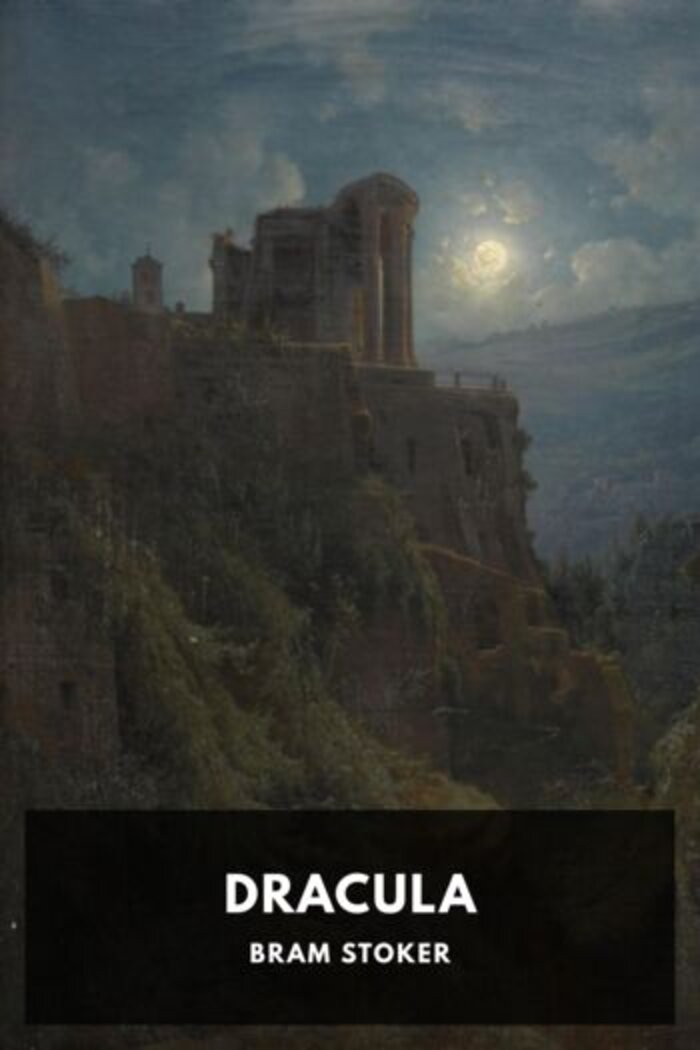
Told through letters, diary entries, and newspaper clippings. The format gives it a documentary feel that makes the horror creep up on you. The count barely appears in the first half, but his presence saturates everything. Stoker built an entire mythology here — garlic, mirrors, stakes, the inability to enter uninvited — and the ensemble cast hunting him down reads like a Victorian thriller.
Oscar Wilde’s The Picture of Dorian Gray is less outright horror and more slow moral rot — a young man stays beautiful while his portrait decays, and Wilde fills the story with quotable lines before letting it go genuinely dark. For something shorter and more claustrophobic, The Turn of the Screw is a perfect ghost story where Henry James never confirms whether the ghosts are real. And Lovecraft’s At the Mountains of Madness — an Antarctic expedition finding ruins of a pre-human civilization — is science fiction as cosmic horror.
Romance
These aren’t just love stories. They’re about social pressure, class, money, and what happens when women have very few choices.
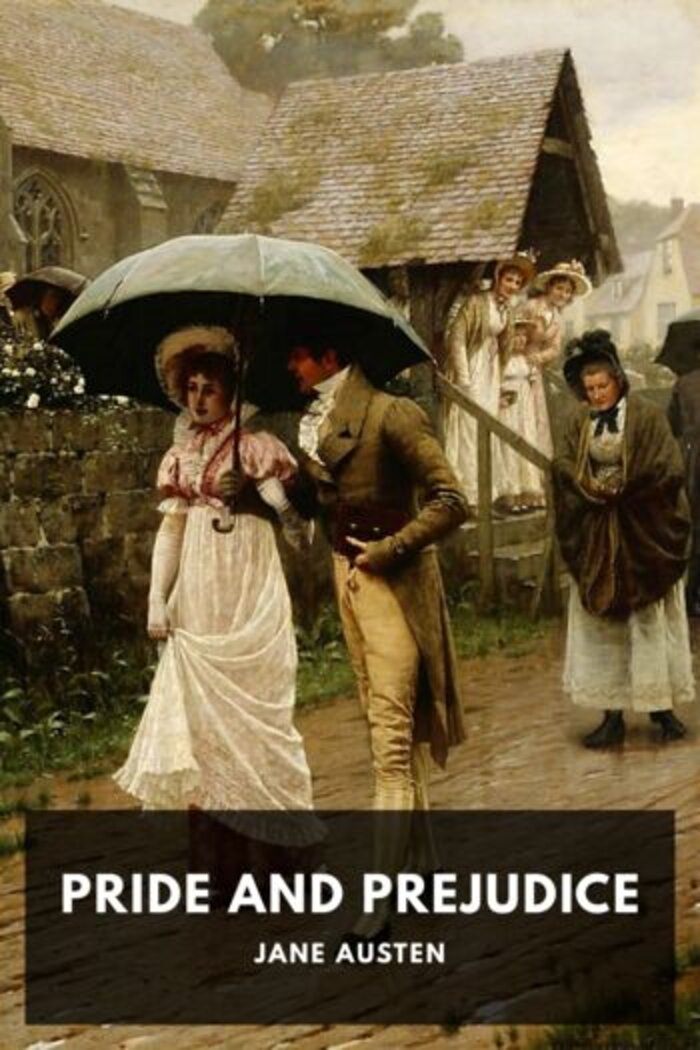
Elizabeth Bennet is funnier and sharper than any modern rom-com lead. The Darcy proposal scene is one of the great reversals in English fiction. Austen wrote dialogue that sounds modern — the wit is razor-sharp, the social observation is merciless, and the romance earns its ending because both characters actually change. If you only read one Austen, this is the one.
The Brontë sisters wrote romance that’s more gothic and more violent than Austen ever got. Jane Eyre has a genuinely angry heroine, a gloomy estate, and one of the most famous plot twists in literature. Wuthering Heights is stranger — Heathcliff and Catherine destroy everyone around them, including each other. It’s not a love story in any comfortable sense.
For something quieter, Austen’s Persuasion — about a woman reuniting with a man she refused eight years earlier — hits harder emotionally than Pride and Prejudice, even though it’s less famous. And Edith Wharton’s The Age of Innocence captures 1870s New York high society as a kind of soft violence — nobody shouts, everyone suffers.
Adventure & Exploration
Big stories. Ships, treasure, revenge, and journeys that take years.
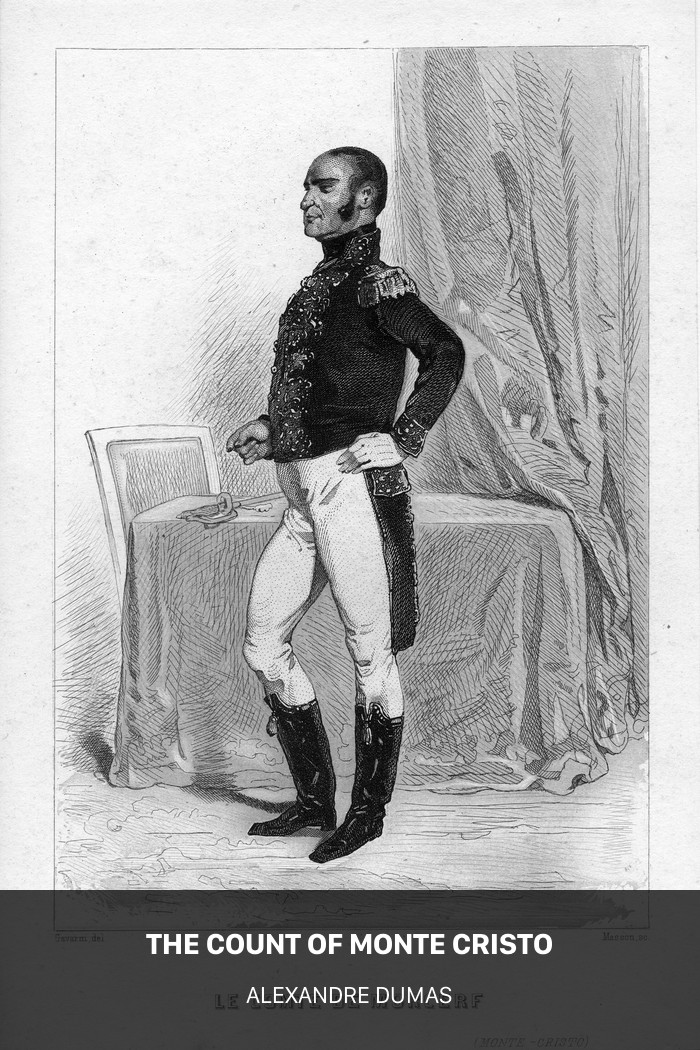
A man is falsely imprisoned for 14 years, escapes, finds a treasure, and systematically destroys everyone who betrayed him. It's long — over 1,200 pages — but the revenge plotting is addictive. Dumas builds each act of revenge like a chess game, with disguises, poisonings, and financial ruin. The question the book keeps asking: does vengeance actually satisfy? The original thriller.
Treasure Island created every pirate story that came after it. Long John Silver is one of fiction’s great villains because you keep almost liking him. Homer’s The Odyssey — a cyclops, a witch, the land of the dead, sirens — is nearly 3,000 years old and still a page-turner.
For something more compact, The Adventures of Sherlock Holmes is twelve short stories you can pick up and drop anywhere. Holmes is more eccentric than any screen adaptation — cocaine habits, violin at 3 AM, shooting holes in the wall out of boredom. And Jules Verne’s Around the World in Eighty Days is pure momentum from page one: Phileas Fogg bets his fortune he can circle the globe using only the transport available in 1872.
Science Fiction
Written before “science fiction” was even a genre. These authors were inventing the future.
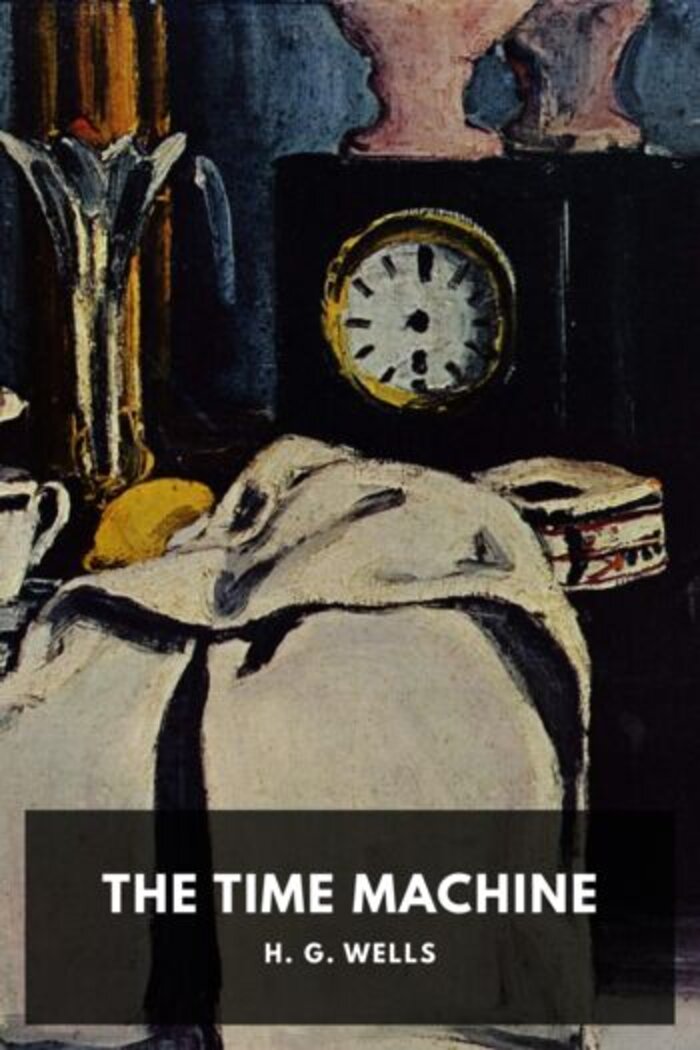
A scientist travels to the year 802,701 and finds humanity has split into two species — the childlike Eloi living above ground and the monstrous Morlocks below. It's really about class: what happens when the divide between rich and poor becomes biological. Wells wrote this in 1895, and it's still one of the best time travel stories ever published. Short, bleak, and the ending goes further than you'd expect.
Wells dominates this section for good reason. The War of the Worlds was really about imperialism — what does it feel like to be on the receiving end of technological superiority? The Invisible Man takes a different angle: a scientist turns himself invisible and immediately goes insane. Wells understood that power without accountability leads to violence.
For something completely different, Edwin Abbott’s Flatland is a mathematical thought experiment about a square who encounters a sphere. It’s under 100 pages, partly a satire of Victorian hierarchy, and will change how you think about dimensions.
The Big Ones
These are longer, denser, and more demanding. They also reward the effort more than almost anything else you’ll read.
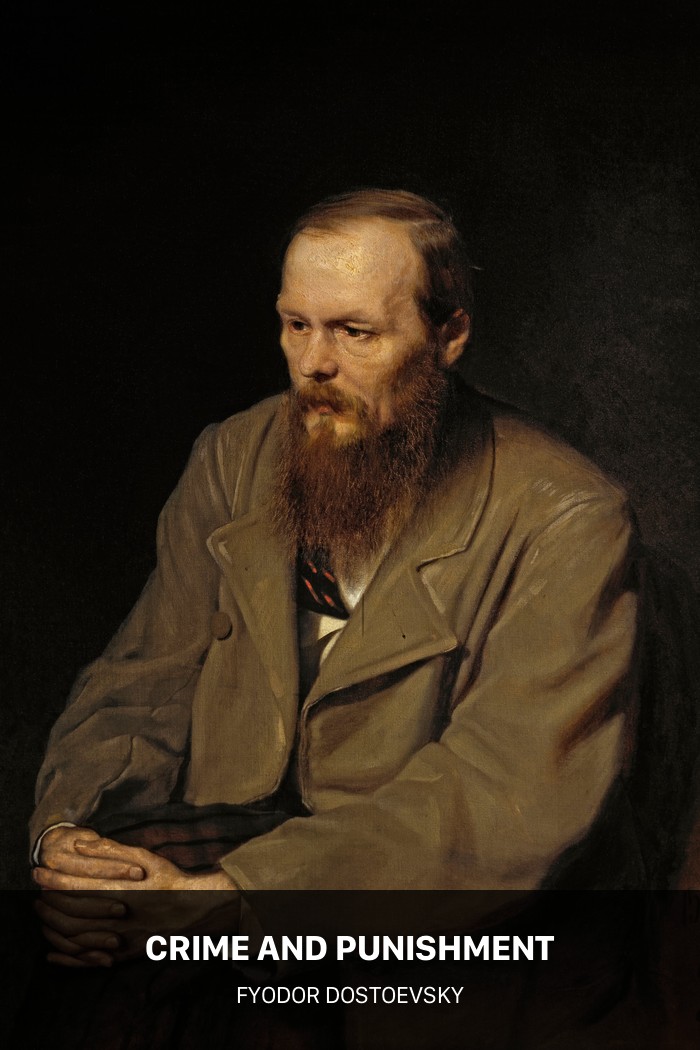
A broke student in St. Petersburg murders a pawnbroker and tries to justify it to himself. The first 50 pages are slow. After that, the psychological pressure never lets up — Raskolnikov's conversations with the detective Porfiry are some of the tensest scenes in all of fiction. Dostoevsky understood guilt better than any writer before or since, and the ending earns its redemption.
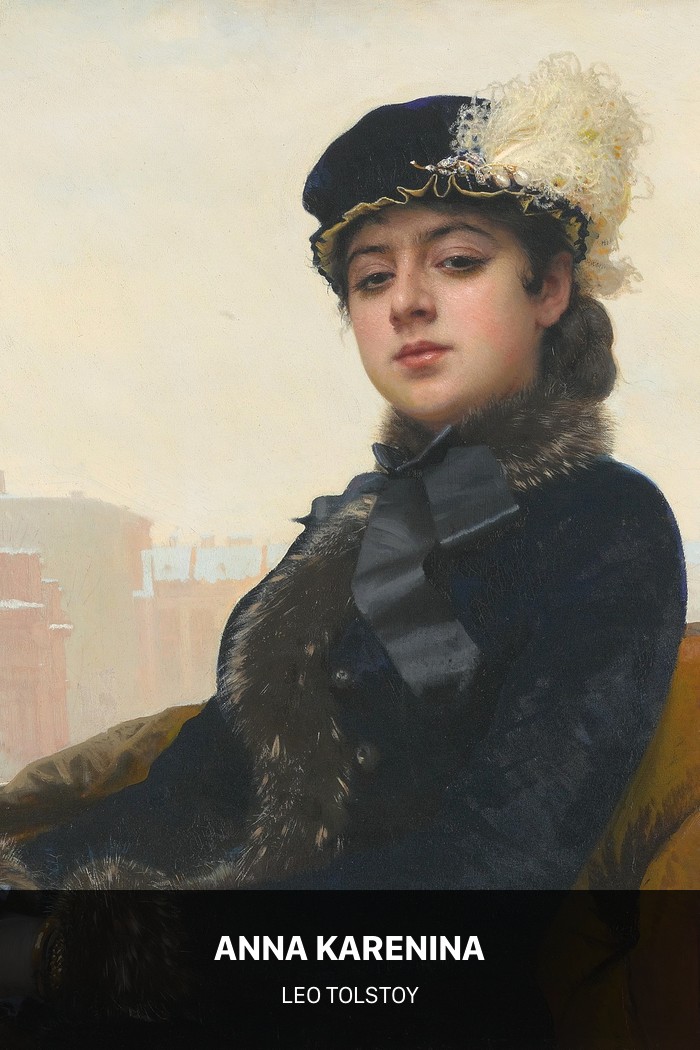
Two parallel stories: Anna's affair and social destruction, and Levin's search for meaning on his country estate. The Levin sections sound boring in summary but are somehow the best parts — his struggle with faith, his awkward proposal, the farming scenes that feel like meditation. Tolstoy wrote characters so real you forget they're fictional. Nearly 900 pages, but the prose moves fast.
Dickens’s Great Expectations is probably his most focused novel — an orphan receives money from a secret benefactor and moves to London to become a gentleman, and the reveal of who’s paying is one of Dickens’s cruelest surprises. It’s a good entry point if his other books feel too sprawling.
Victor Hugo’s Les Misérables is the opposite of focused. Jean Valjean steals bread, goes to prison for 19 years, and spends the rest of his life trying to become a good person while a policeman hunts him. Hugo detours into essays about the Paris sewers and the Battle of Waterloo. Skip those if you want, or don’t — they’re fascinating in their own way.
And then there’s Moby-Dick. Half the book is about whaling procedures. The other half is one of the strangest, most ambitious novels in the English language. A monomaniac captain hunts a white whale. Not for everyone, but nothing else is like it.
Where to Get These Books
All 30 books on this list are available for free as EPUBs. The BookShelves free book catalog includes every title here and thousands more — browse by genre, download instantly, and read on your Mac or iPhone.
If you want to explore further, Standard Ebooks has beautifully typeset editions and Internet Archive has a massive collection including scanned originals.
For more on choosing the right ebook format, see our guide on EPUB vs PDF.